
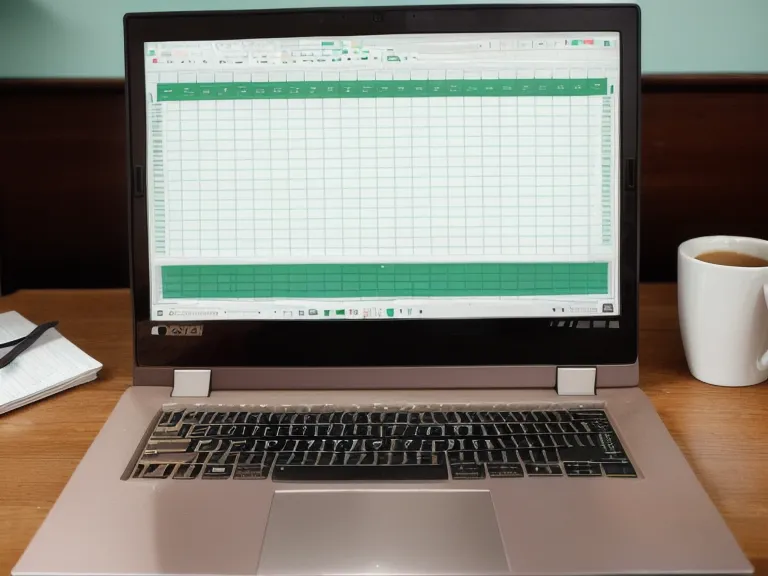
I'm holding two browser tabs open at once: one is a spreadsheet gone the color of a stoplight, red cell stacked on red cell, and the other is a five-year-old cleanser review from back when I still thought a face wash could out-argue a jawline with its own agenda. The gap between those two tabs is where the real question about adult acne lives, and after a long stretch of probiotic testing and supplement tracking, I've got a much better read on the gut-skin axis than either tab alone could give me.
Two competing files sit in my head every time a breakout shows up. File one says the product failed: wrong retinol percentage, an expired serum, a cleanser that stripped too much. File two says the gut got loud enough to shout through the skin. For years I let file one win by default, because blaming an expensive serum feels a lot less exhausting than rethinking breakfast. Three things finally forced file two open, and none of them had anything to do with what was sitting in my medicine cabinet.
Sign One: A Digestive Lag No Cleanser Could Explain
Bloating is the tell nobody checks first, mostly because it doesn't register as a skin symptom. My whiteboard says otherwise — every Sunday I redraw the grid over my monitor, and the pattern that keeps repeating is a tight, almost inflated pressure low in my stomach that shows up roughly forty-eight hours before a deep, tender spot lands on my jaw. (The weekly-photo method that feeds this grid is a longer story I've already told elsewhere; here it's just the data source.) File one has no explanation for that gap. A cleanser doesn't know what happened on your plate two days earlier.
This is the piece people mean by the gut-skin axis, though the fuller mechanics of that connection live in another post of mine. Here I only needed proof the pattern was real before trusting it with my skincare budget. Telling a gut-driven cluster from a hormonal one is its own skill, and I get into that split more in how to tell if your acne is caused by poor gut health; the short version is that the gut pattern always has a lead-up, while a hormonal one rarely does.
My failed intervention was a three-week attempt at cutting dairy and gluten at the same time, dropped halfway through a deadline week because eating plain rice on day four while also hitting client deadlines turned into its own kind of misery. The diet wasn't wrong, necessarily — it just wasn't built to survive an actual work week, which is a different failure than anything in the product file accounts for. The clearest proof came later, when a spot treatment sat capped on my nightstand for a full week with no reason to open it, the longest stretch like that I could remember, and not because I'd found a better serum.
Sign Two: Is a Flare a Product Failure or a Meal Reaction?
Color is where my design brain gets loud before anything else does. I notice a hex code sitting a shade off before I notice much of anything, and that same eye catches an undertone shift faster than it catches a new blemish. When the reaction is fast — a hot, reactive pink across the jaw within about twelve hours of a heavy, processed meal — no green-tinted primer touches it, and that speed is the actual tell. File one doesn't have a mechanism for twelve hours after lunch. File two does.

My friend Cassidy, a naturopath who floated the gut-skin idea in the first place, still texts me photos of new probiotic bottles from the pharmacy aisle with exactly one word attached — usually "try," occasionally just "no." She sent one during this stretch, a high-potency capsule at 50 billion Colony Forming Units, and the flush that used to take days to calm down started settling within a single cycle instead. A reader named Yolanda Kessler, who has quietly worked her way through most of the same bottles I've reviewed, sent over her own notes around the same point, and her lag between a heavy meal and a hot flush landed inside roughly the same window mine did. Two separate spreadsheets, same pattern — closer to a controlled comparison than either of us set out to build.
Sign Three: The Topical Plateau and the Gut-Skin Axis
The plateau is the sneakiest of the three because it looks exactly like a product problem. A retinol that worked for months suddenly stops, the skin turns strangely tough, and the serum might as well be water. File one says switch products again. File two says check what's happening beneath the surface before spending on another bottle.

Retinol failing for gut reasons rather than formula reasons is its own case study, one I've built out in far more detail in another post — worth reading if a product that used to work suddenly doesn't. Narrower to this piece: the plateau only ever showed up for me during stretches when the digestive lag and the reactive flush were also active, never on its own.
Barrier-repair creams ate a bigger bite of the budget than I want to admit, before I finally accepted the barrier itself wasn't what was failing. Once the stripping stopped and the plateau got some time instead — probiotic testing paired with the existing routine rather than more acids — the same retinol started working again, no reformulation involved on the product's end. Instead I leaned on the best probiotics for adult acne I have tried after months of testing to see whether resetting things internally would do what more serum couldn't, and which specific strains matter most for skin rather than digestion generally is a longer conversation I've had in more detail elsewhere.
Weighing the Product File Against the Gut File
Side by side, the two files rarely agree, and that disagreement is the most useful thing about tracking this for as long as I have. The product file explains sudden, isolated blemishes with no lead-up: a new pillowcase, a skipped cleanse, a bad batch of an old favorite. The gut file explains the version with a runway: bloating first, then color, then a plateau that arrives right on schedule with the other two.

There's a face-zone way of reading this too — where a breakout lands changes what it's probably telling you — and I've mapped that out at length in another post rather than repeating it here. The short version for this piece: jawline and chin clusters are the ones I trust the gut file on most; everything else gets more benefit of the doubt.
Prebiotics get lumped in with probiotics constantly, and they're not doing the same job — that distinction is worth its own file, and I've given it one elsewhere. For the tracking here, I stuck to capsule-format probiotics only, partly for dosing consistency and partly because the gummy-versus-capsule comparison is its own experiment I haven't folded into this one.
What happens if you stop taking any of this altogether is a question worth asking before you start, and it's got a longer answer than fits here — the short version is that the spreadsheet doesn't stay flat, which tells you the supplement was doing something rather than nothing.
So here's the split I'd actually stand behind, spreadsheet in hand. If a blemish shows up isolated — no bloating before it, no color shift, no plateau pattern around it — that's still a product-and-skin problem, and the fix belongs in the routine, not the fridge. But if there's a runway to it, a lag, a fast reactive flush, a plateau that started the same stretch a trusted product suddenly quit working, that's a gut file, not a face file, and no amount of retinol closes it on its own. My spreadsheet is embarrassing to look at as a design object, all conditional formatting and no white space, but it's the only reason I can tell those two files apart with any real confidence.
All opinions and observations on this site are my own and are shared purely for informational purposes. They do not constitute professional medical, financial, or legal advice. Please consult the relevant professional before acting on any information presented here.