
It was late at night in my Portland studio, and I was doing something that has become a bit of a ritual: scrolling through my 'Skin Progress' photo folder. As a graphic designer, I’m used to looking at textures and gradients, but my chin was looking less like a smooth UI and more like a topographical map of the Cascades. Despite a twelve-step topical routine that cost more than my monthly software subscriptions, my skin was screaming. This site uses affiliate links; if you buy something through them, I earn a commission at no extra cost to you. I only recommend supplements like PrimeBiome because I’ve spent the last few years personally testing and tracking them with my own skin (and a very detailed spreadsheet).
For most of my twenties, I treated my face like a canvas that just needed better paint. I tried every retinol, every 'miracle' serum, and every dermatologist-recommended regimen in the book. It wasn’t until a naturopath friend casually mentioned the gut–skin axis over brunch that I started to rethink everything. She told me that my expensive serums were basically just 'painting a crumbling house'—the foundation was the problem. We have roughly 20 square feet of skin covering our bodies, making it our largest organ, and it’s constantly communicating with the 100 trillion microorganisms living in our gut. If those microbes are out of balance, no amount of topical cream is going to fix the systemic inflammation bubbling up to the surface.
The Mid-November Meltdown and the Birth of the Spreadsheet
The real turning point came in mid-November. I had a particularly aggressive breakout—three deep, cystic spots on my jawline that felt like they had their own zip codes—and I decided I was done with the 'guess and check' method. I built a spreadsheet to cross-reference my probiotic intake with daily selfie close-ups. My boyfriend still squints at my laptop screen sometimes, trying to understand why I have a 'Redness Scale' from 1 to 10 for my left jawline, but as a designer, data visualization is the only way I know how to debug a problem.
I started my journey with some budget-friendly options. I spent a few weeks on GUT VITA, which is a solid, straightforward formula if you're just dipping your toes into the world of digestive support. It’s affordable—around the price of a couple of fancy Portland coffee bags—and it did help with some of the bloating I’d just accepted as 'normal' for a woman in her late thirties. But while my digestion felt lighter, the topographical map on my chin didn't quite flatten out as much as I hoped. I realized I was moving beyond the retinol plateau but hadn't quite found the right key for the lock.

Testing the Limits: When Good Digestion Isn't Enough
After about six weeks of basic support, I decided to try SynoGut. Now, this is where my tracking got interesting. By early January, I was experiencing the best digestion of my life—regularity was a 10/10, and my energy levels were peaking. However, my spreadsheet told a different story regarding my face. On one rainy Tuesday morning, I looked at the latest chin shot and realized I was simultaneously breaking out in three new painful clusters while my stomach felt great. It was a classic 'failure' in my experiment, but a necessary one. It taught me that not all probiotics are created equal when it comes to the skin-gut connection.
I’m not a doctor or a nutritionist (I have zero medical training, just a lot of Excel rows), and you should definitely talk to your own dermatologist or health professional before starting a new supplement. But what I’ve learned from my own trial and error is that probiotic efficacy for skin is often incredibly strain-dependent. Generic digestive bacteria might help you process a heavy meal, but they may not impact the specific pathways that regulate sebum or skin barrier function. This led me to a realization that I frequently discuss in my bathroom cabinet audits: I needed a formula designed specifically for the axis, not just the gut.
The PrimeBiome Pivot and the Colonization Factor
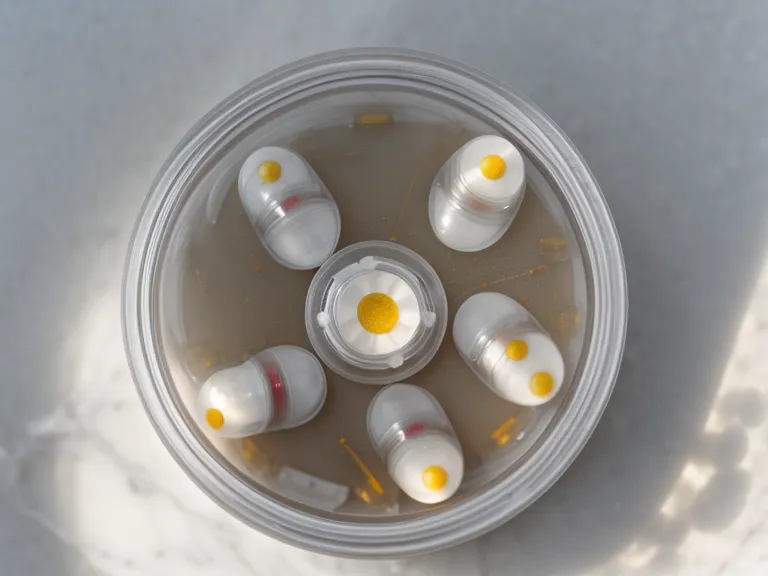
In the spring, I switched to PrimeBiome. One thing I noticed immediately—and this is a bit of an inner truth moment—is the specific, slightly yeasty smell of the capsules every morning as I pop the seal in my humid bathroom. It’s not unpleasant, just very 'alive.' I also started thinking about the 'unique angle' of shelf-stable vs. refrigerated strains. While shelf-stable options are great for travel, I’ve noticed in my tracking that formulas designed for higher gut colonization rates tend to yield more visible skin results for me. PrimeBiome seems to focus heavily on that colonization aspect, ensuring the bacteria actually set up shop where they’re needed.
By the time early July rolled around, the data in my spreadsheet was undeniable. The 'Redness Scale' was consistently hitting 1s and 2s. The deep, topographical cysts had been replaced by a much smoother texture. My bathroom cabinet, which used to be 80 percent serums and 20 percent supplements, has now completely flipped. I’m spending less on 'painting the house' and more on the foundation. PrimeBiome also offers a 90-day money-back guarantee, which is a huge relief when you’re used to throwing money at skincare products that do absolutely nothing. It gives the skin cycle—which is about 28 days—enough time to actually show you if the gut change is working.
Final Reflections from the Designer’s Desk
Thinking back to that late-night scrolling session, I feel for that version of myself. I spent a decade thinking my skin was the enemy, when it was actually just a messenger. If you’ve hit a wall with topicals, it might be time to start your own 'debug' process. I highly recommend starting with a tracking habit—even if you don't go as overboard with Excel as I do. You can find more on my tracking strategy here to get started without the overwhelm.
Looking at my current selfie vs. my late-autumn photos, the difference isn't just in the clarity of my jawline; it's in the lack of inflammation in my entire life. My skin is quieter, my routine is simpler, and I’m no longer spending my Saturday nights color-coding pimple cycles (mostly). If you’re struggling with persistent adult acne, PrimeBiome is the formula I’d reach for first. It’s the only one that actually made my spreadsheet look like a success story. If you're on a tighter budget and just want to see if gut health affects you at all, GUT VITA is a decent entry point, but for the specific goal of clear skin, the targeted approach is where I found my answer.
PrimeBiome
Pros
- + Targets the gut-skin axis with specific strains
- + 90-day guarantee covers three full skin cycles
- + Noticeable reduction in cystic inflammation markers
- + Streamlined my bathroom cabinet significantly
Cons
- ○ Premium price point for a daily supplement
- ○ Distinct yeasty aroma upon opening the bottle
All opinions and observations on this site are my own and are shared purely for informational purposes. They do not constitute professional medical, financial, or legal advice. Please consult the relevant professional before acting on any information presented here.