
PrimeBiome markets itself around the gut-skin axis, right there on the label. Gut Vita doesn't mention skin at all — it's a plain digestive formula with a plain digestive name, priced like one. After three years of probiotic testing against my own bloating and the acne journey that ate most of my thirties, the plain one is the bottle still on my shelf, and that mismatch between marketing and results is worth sitting with before you spend money on either.
Quick disclosure before you read another paragraph: the links to Gut Vita on this page are affiliate links, and I earn a commission if you buy through them at no extra cost to you. A product only gets mentioned here after I've tracked it against my own skin long enough to trust the pattern, and that rule hasn't changed since I started this site.
Does a Supplement Need to Mention Skin to Work on It?
Most gut-skin marketing assumes the answer is yes — that a supplement needs to say skin somewhere on the label to do anything for your face. That's the myth worth pushing back on, because my own results argue the opposite. Bloating and redness showed up together for me long before I understood why, and treating them as separate problems is what kept me stuck for a decade.
Before any of this, I ran the full ten-step Korean double-cleanse routine for four months, convinced enough layering would out-argue whatever was happening under my skin. It never touched the redness. My jawline stayed inflamed through every oil cleanser, every essence, every sheet mask I could justify buying, and the only thing that actually changed was how organized my bathroom shelf looked. There's a spot treatment still sitting on my nightstand that I haven't reached for in so long I had to check the expiration date to remember buying it — the last time I needed it, there was nothing left to treat.

The Cheap Bottle as a Deliberate First Test
When I first went looking for a probiotic, the polished, skin-specific option was PrimeBiome — multi-strain, built around the gut-skin connection, priced like it expected to be taken seriously. My friend Tasha, who I still swap supplement notes with years after we worked together, gets visibly suspicious of anything priced like it's trying too hard to impress you, and she pushed me to test the theory cheaply before paying for the deluxe version of it.
That's how Gut Vita ended up as the first bottle on my shelf instead of the last. Nothing about its label mentions skin. It's a digestive formula, sold as one, and testing it first meant that if nothing changed, I'd know the gut-skin idea itself was the problem and not just the specific bottle I happened to buy — the same logic as isolating one variable before you trust an A/B test result.
Digestive Bloating and Facial Redness Move Together
Redness and bloating aren't officially linked in the way a product label would put it, but the correlation held up every time I checked for it. A flare on my jaw tends to show up around the same stretch as a stomach that won't settle — not always the identical day, but close enough that ignoring the pattern stopped making sense. Some people call this a face map for gut symptoms; I never bothered charting which patch of skin means what, I just paid attention to whether the two moved together.
Grabbing a sample at Portland Saturday Market used to mean mentally budgeting an afternoon of a tight waistband and a stomach I'd have to explain away in client meetings. That calculation isn't automatic anymore. It's a small, unglamorous marker, but it moved before my skin did, which is exactly why digestion stopped being a separate category from skin care in my own tracking.
Tracking the Correlation Instead of Guessing
None of this means anything without a way to check it against myself instead of against a forum post. Every Sunday I walk eight steps down the hall for the same phone photo I've taken for three years, then log it against the grid I keep updated on the whiteboard by my monitor. The shelf to the right of my desk holds whatever probiotic I'm currently rotating through, so I never lose track of what I actually took versus what I meant to take.
Cracking open a new bottle still catches me off guard — a sharp, fermented note under the lid that's gone as fast as it arrives, not a smell I ever expected from a supplement. The tracking notes matter more than any single product does, because they're what told me the pattern was real instead of wishful thinking. Finding which probiotic strains actually correlated with less redness took longer than picking a tracking method, and Gut Vita was the cheap, unglamorous bottle that happened to work.
Readers ask about the gummy versions that keep landing in my inbox, and I leave that comparison to a different page since format is its own rabbit hole. Fiber and enzyme blends get filed next to probiotics in most supplement aisles, but confusing an enzyme blend or a prebiotic fiber for the probiotic itself is an easy way to test the wrong variable for a while.

What the Cheaper Bottle Proved
The fact that PrimeBiome is built specifically around skin made it easy to dismiss my own results as unrelated — surely a plain digestive formula couldn't be doing that. But the pattern held regardless of what the label promised, which told me the actual problem was never about which serum sat on my shelf.
It was about what was happening in my microbiome, a word I avoided for years because it sounded like something only a naturopath would say with a straight face, right up until a naturopath friend said it to me over brunch and I ran out of reasons to dismiss it.
Does Hormonal Acne Follow the Same Pattern?
Not always, and that's the part a lot of gut-skin content leaves out. A reader named Pritha Langford messages me every so often about hormonal acne, and her situation doesn't fit neatly into anything I've described here. She's tracked the gut angle seriously, but her pattern moves with her cycle, not with her digestion, and no amount of probiotic consistency fixes a rhythm that isn't digestive to begin with.
She always notes, half joking, that her own doctor has no idea what she's talking about when she brings any of this up, which says something about how far outside standard advice this whole conversation still sits. Stopping a probiotic for a stretch tends to reveal more than starting one does — the redness I'd stopped noticing has a way of creeping back once the routine lapses, which is its own kind of proof. Why a retinol routine alone never gave me that same feedback loop is a longer story I've told elsewhere; the short version is that a topical alone doesn't explain a pattern that moves with digestion.
If your flare-ups track a cycle more than your stomach, chasing a gut supplement for months before ruling that out is the wrong order to test things in — check the hormonal pattern first, then decide whether digestion is even the right variable to chase.
The Bottle to Start With First
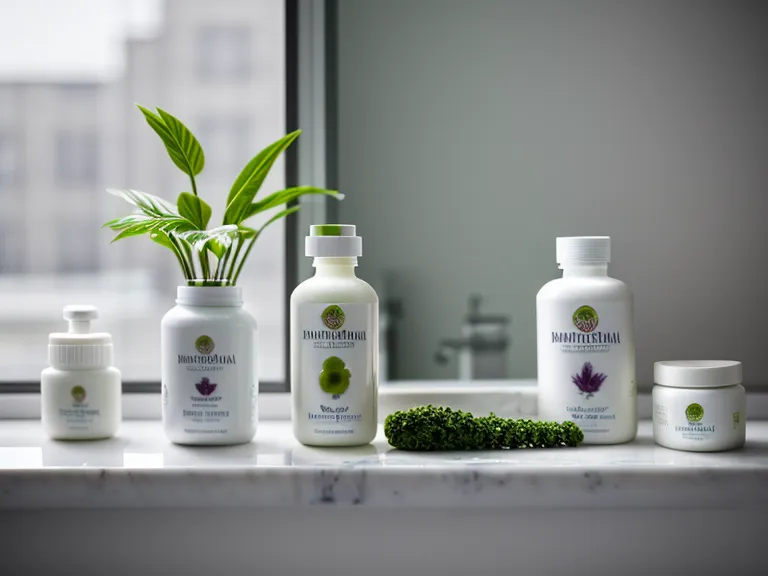
None of this is a case for skipping a skin-specific formula forever. If your budget is tight and you haven't tested whether the gut-skin connection even applies to you, Gut Vita is still the honest place to start — plain, digestive-focused, and cheap enough that a few months of testing won't sting if your skin turns out to have a different cause entirely.
If you've already run that test and know the connection is real for your own face, PrimeBiome and its 90-day money-back guarantee is the more logical upgrade, because by then you're not testing a theory anymore — you're deciding how much you want to pay to speed the result up.
My spreadsheet is still absurd, and my camera roll is still mostly jawline close-ups, and I've made peace with both. What changed is which bottle I reach for first, and why — not because it promises more, but because it never needed to promise anything about skin to actually help mine.
GUT VITA
Pros
- + Significantly reduced my afternoon bloating within three weeks
- + Budget-friendly entry point for testing the gut-skin connection
- + Simple, easy-to-research ingredient list
- + Noticeable reduction in inflammatory skin redness after six weeks
Cons
- ○ Not specifically formulated for skin health (primarily digestive)
- ○ Requires very consistent daily use to see visible skin results
All opinions and observations on this site are my own and are shared purely for informational purposes. They do not constitute professional medical, financial, or legal advice. Please consult the relevant professional before acting on any information presented here.